How to Use a Cigar Punch for a Clean, Smooth Cut
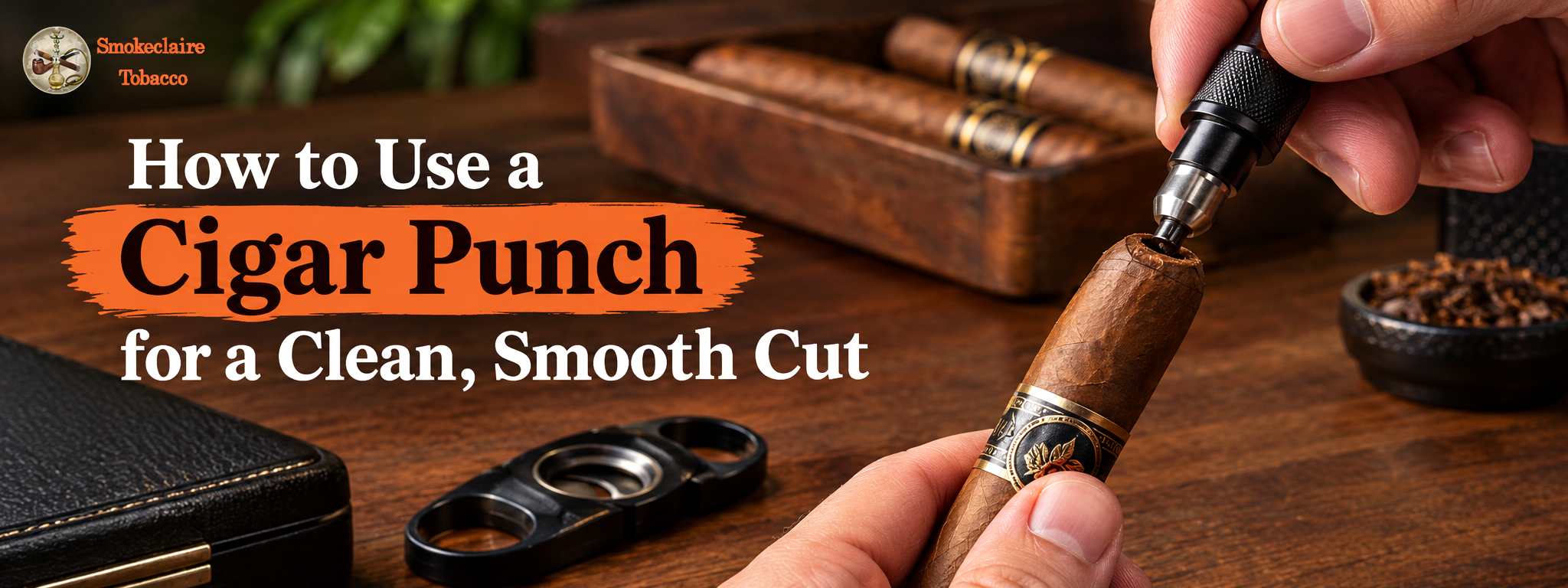
A clean cigar cut helps create an even opening at the head of a cigar, allowing air to pass through when smoking. One way to make that opening is with a cigar punch cutter, a compact tool that creates a small, circular hole rather than removing a section of the cigar cap.
For consumer cigar smokers, a punch can be a useful alternative to a straight cutter, particularly when a cigar has a rounded head that accommodates this cutting method. However, the result depends on the cigar's construction, the punch's diameter and how carefully the tool is used.
Understanding how to use a cigar punch can help you avoid tearing the wrapper, creating an opening that is too small or damaging the cigar's cap.
What Is a Cigar Punch Cutter?
A cigar punch cutter is a small accessory with a circular cutting blade designed to remove a plug of tobacco from the closed end or cap, of a cigar. This creates an opening for airflow while leaving most of the cap in place.
Unlike a straight cutter, which removes part of the cigar's head, a punch makes a smaller, round opening. Some models feature a retractable blade, while others use a fixed cutting edge or a twist mechanism to help remove the tobacco plug.
A cigar punch tool is often compact enough to carry on a keychain or attach to a cigar accessory case. Its small size makes it convenient for smokers who prefer a portable cutting accessory.
When Is a Cigar Punch Suitable?
A punch generally works best with cigars that have a rounded or slightly domed head and enough surface area for the blade to create an opening. It may be less suitable for pointed heads, very small cigars or cigars whose construction does not accommodate a circular cut.
How to Use a Cigar Punch Step by Step
Using a punch is straightforward, but control matters more than force. A sharp, clean blade and a steady hand help produce a neater opening.
1. Inspect the Cigar's Head
Locate the cap at the closed end of the cigar. The cap is the small piece of wrapper leaf that seals the head and helps keep the wrapper from unraveling.
Check the shape and condition of the cap before cutting. A rounded head is usually a better candidate for punching than a pointed head. If the wrapper is already cracked or the cap looks fragile, another cutting method may be more appropriate.
2. Check the Punch Blade
Inspect the Cigar Punch before using it. The blade should be clean and free of tobacco residue. A dull or dirty cutting edge may crush the tobacco instead of removing a neat plug.
If the tool has a retractable blade, extend it according to the manufacturer's instructions. Handle the cutting edge carefully, especially when opening or closing a compact model.
3. Position the Tool at the Center
Place the circular blade against the center of the cigar's cap. Centering the punch helps create an even opening and reduces the chance of cutting too close to the edge.
Avoid positioning the blade at an angle. An uneven entry can produce an irregular hole or put unnecessary pressure on the wrapper.
4. Rotate Gently to Create the Opening
Apply light, controlled pressure while rotating the punch. Let the blade do the cutting rather than forcing it into the tobacco.
The required depth depends on the cigar and the design of the tool. Avoid pushing too deeply, as this can disturb the internal filler or create an opening that is difficult to clear.
5. Remove the Tobacco Plug
Withdraw the punch carefully and check whether the small plug of tobacco has come away with the blade. If the plug remains inside the tool, remove it according to the manufacturer's instructions.
Do not scrape aggressively at the cigar's head to remove leftover tobacco. Excessive handling can damage the cap or loosen the wrapper.
6. Check the Opening
Look at the hole to make sure it is reasonably round and free of loose tobacco. The opening should not be so small that it restricts airflow.
A punch does not guarantee a perfect draw. Tobacco packing, cigar construction and moisture can all affect airflow, even when the cut looks neat.
Common Mistakes to Avoid When Using a Cigar Punch
A punch can be easy to use, but a few common mistakes may lead to a poor cut.
- Using too much pressure: Forcing the blade into the cigar can compress the tobacco or damage the cap.
- Cutting too close to the edge: The wrapper may split or begin to unravel if the opening is off-center.
- Making the hole too deep: Excessive penetration can disturb the cigar's internal structure.
- Using a dirty blade: Tobacco residue can interfere with a clean cut and make the tool harder to use.
- Choosing the wrong cigar shape: Some pointed or unusually shaped heads are better suited to other cutting methods.
Assuming a larger opening is always better: A punch creates a specific opening size. If airflow remains restricted, forcing the blade deeper may not solve the underlying issue.
Cigar Punch vs V Cut: What's the Difference?
A punch and a V-cutter create different openings, so the choice comes down to cigar shape, personal preference and the type of cut you want.
A punch removes a small circular plug from the cap. A V-cutter makes a wedge-shaped incision into the head, creating a V-shaped channel.
Cigar Punch
A punch creates a round opening while leaving much of the cap intact. Its compact design makes it convenient to carry and it can suit many rounded cigar heads.
Its main limitation is the size of the opening. Depending on the cigar and punch diameter, airflow may feel restricted. It is also not suitable for every head shape.
V Cut
A V-cutter creates a deeper, V-shaped opening rather than a round hole. Some smokers prefer this style because it exposes a different portion of the cigar's interior without removing a circular plug.
However, the V-cut requires a cutter designed to make a clean incision. Using the wrong cutter size or applying uneven pressure may damage the head.
Neither method is automatically better for every cigar. The cigar's shape and construction, along with the smoker's preferred draw, should guide the decision.
Cigar Punch vs Cutter: Which Should You Choose?
The phrase cigar punch vs cutter often refers to a comparison between a punch and a traditional straight cutter. Both methods open the cigar's head, but they remove different amounts of material.
A straight cutter typically uses two blades to remove the capped end of the cigar. This produces a wider, flat opening and can work well for many cigar shapes, depending on the cutter and the head's construction.
A punch removes a smaller circular plug and leaves more of the cap intact. That can be useful for smokers who prefer a compact tool and a smaller opening.
Consider these differences:
- Choose a punch when the cigar has a suitable rounded head and you prefer a small circular opening.
- Choose a straight cutter when you want to remove the cap's end and create a broader opening.
- Consider a V-cutter when you prefer a V-shaped incision and have a cigar head suited to that method.
There is no single cutting method that works best for every cigar. Matching the tool to the cigar's shape and avoiding an overly aggressive cut are more important than choosing one style for every occasion.
What to Look for in a Luxury Cigar Punch
A Luxury cigar Punch may appeal to smokers who value craftsmanship, materials, portability and design in their cigar accessories. The term describes a style or positioning, not a guarantee that a tool will cut better.
When comparing punches, pay attention to the features that affect everyday use.
Blade Quality
The cutting edge should be designed to create a clean opening without crushing the cap. Blade material, construction and ease of cleaning can influence how well the tool performs over time.
Diameter and Compatibility
Punches come in different diameters. The opening should suit the cigar's size and head shape. A hole that is too small may restrict airflow, while an unsuitable punch may not work well with a particular cigar.
Portability and Mechanism
A compact punch may fit into a cigar case or travel accessory kit. Retractable mechanisms can protect the blade when the tool is not in use, while other designs prioritize simplicity.
Check how the blade opens, closes and stores before choosing a model.
Build and Maintenance
A well-made tool should feel secure in the hand and allow the cutting area to be cleaned without unnecessary difficulty. Keep the blade clean, dry the tool as directed by the manufacturer and store it safely.
A premium finish may add to the accessory's appearance, but practical features such as blade sharpness, safe storage and a suitable diameter matter more to the cutting process.
How to Care for a Cigar Punch Tool
Regular care helps keep a punch clean and ready for use.
- Remove tobacco residue after use, following the manufacturer's cleaning instructions.
- Avoid forcing stuck tobacco out with sharp objects that could damage the blade.
- Keep the tool dry and store it in a way that protects the cutting edge.
- Close or retract the blade before placing the tool in a pocket, bag or cigar case.
- Check the mechanism periodically for looseness, corrosion or damage.
If the blade becomes dull or the mechanism no longer operates securely, follow the manufacturer's guidance on repair or replacement rather than continuing to use a damaged tool.
Where to Find a Cigar Punch Near You
Consumers searching for the best cigar punch near me may want to consider more than appearance. Blade design, punch diameter, ease of cleaning and safe storage are useful points to compare when choosing a cigar accessory.
If you are searching for a Premium cigar accessories shop near me in Eau Claire, Wisconsin, Smokeclaire is a local retailer to consider when researching cigar-related accessories. Contact the store or review its current product information to confirm whether a particular punch or cutter is available before making a trip.
Whether you prefer a compact punch, a V-cutter or a straight cutter, choose a tool that suits the cigars you typically smoke and that you can handle and maintain safely.
Final Thoughts
A cigar punch offers a simple way to create a small, circular opening while leaving most of the cap intact. To use one effectively, position it at the center of a suitable cigar head, rotate it gently, avoid excessive depth and check that the opening is clear.
When comparing a cigar punch vs V cut or a punch versus a straight cutter, focus on the opening each method creates and whether it suits the cigar's shape. A well-maintained tool is more useful than choosing an accessory based on appearance alone.
For consumer cigar smokers in Eau Claire, Smokeclaire can be a local starting point for cigar accessory enquiries.
Frequently Asked Questions
1. How do you use a cigar punch?
Place the punch at the center of a suitable cigar's cap. Apply light pressure while rotating the tool, then withdraw it carefully and remove any tobacco plug. Check that the opening is clear without pushing the blade too deeply.
2. Does a cigar punch work on every cigar?
No. Punches generally work best on cigars with rounded heads. Pointed heads and some unusually shaped cigars may be better suited to another cutting method.
3. Is a cigar punch better than a V cut?
Neither is universally better. A punch creates a round opening, while a V-cutter makes a V-shaped incision. The right choice depends on the cigar's shape, construction and the draw you prefer.
4. What size cigar punch should I choose?
Choose a diameter that suits the cigar's head and allows adequate airflow. A hole that is too small may restrict the draw, so consider compatibility rather than selecting a punch based on size alone.
5. How do I clean a cigar punch tool?
Remove tobacco residue after use and follow the manufacturer's cleaning instructions. Keep the tool dry, protect the blade during storage and avoid using force or unsuitable objects to clear stuck residue.